The plants that look best in a Houston August are mostly the ones that evolved near here. Cenizo, Turk’s cap, gulf muhly, esperanza, and a live oak will outlast (and out-bloom) anything you have to baby through 100° weeks, on a fraction of the water.
Why natives win in Houston
Houston sits in USDA zone 9, gets brutal heat with high humidity, and grows almost everything in slow-draining clay. Plants native to the Texas Gulf Coast and adapted plants from similar climates handle all three without supplemental irrigation once established, which matters more every year as summer watering restrictions become routine. They also feed the pollinators and birds that showy imports mostly don't. Several of the plants below carry the Texas Superstar designation, which means they were trialed across Texas ecoregions by Texas A&M AgriLife and partner horticulturists before earning the label. For lawn care in Houston, this list is where most of our bed designs start.
Shrubs that carry the structure
- Texas sage / cenizo: silver foliage, purple blooms triggered by humidity swings, thrives on neglect in full sun. Needs decent drainage; mound the bed in heavy clay.
- Dwarf yaupon holly: the native answer to boxwood: evergreen, shearable, bulletproof in sun or part shade.
- Wax myrtle: fast evergreen screening that tolerates wet feet, useful on the soggy side of a lot.
Color that survives August
- Turk's cap: red spiral blooms all summer, one of very few showy natives that flowers hard in real shade. Hummingbird magnet.
- Esperanza: masses of yellow trumpet flowers from June to frost; treat it as a die-back perennial after hard freezes.
- Lantana: blooms through the worst heat on zero supplemental water once established (stick to sterile or native varieties).
- Autumn sage (Salvia greggii) and plumbago: reliable sun and part-shade fillers respectively.
Ornamental grasses
- Gulf muhly: the pink cotton-candy cloud every October. It is native, clay-tolerant, and was named a Texas Superstar in 2022 for what AgriLife called its incredible drought tolerance. Cut it back once a year in late winter.
- Little bluestem: upright prairie native with blue-green summer color and copper fall color.
- Inland sea oats: the shade-bed grass; seed heads like flattened oats. It self-sows enthusiastically, so give it room.
Trees worth planting
Live oak is the hundred-year answer if you have the space. Cedar elm is the tough, underused native shade tree for smaller lots and terrible soil. Vitex gives you a fast small flowering tree with purple summer spikes that laughs at drought.
How to plant them so they actually survive
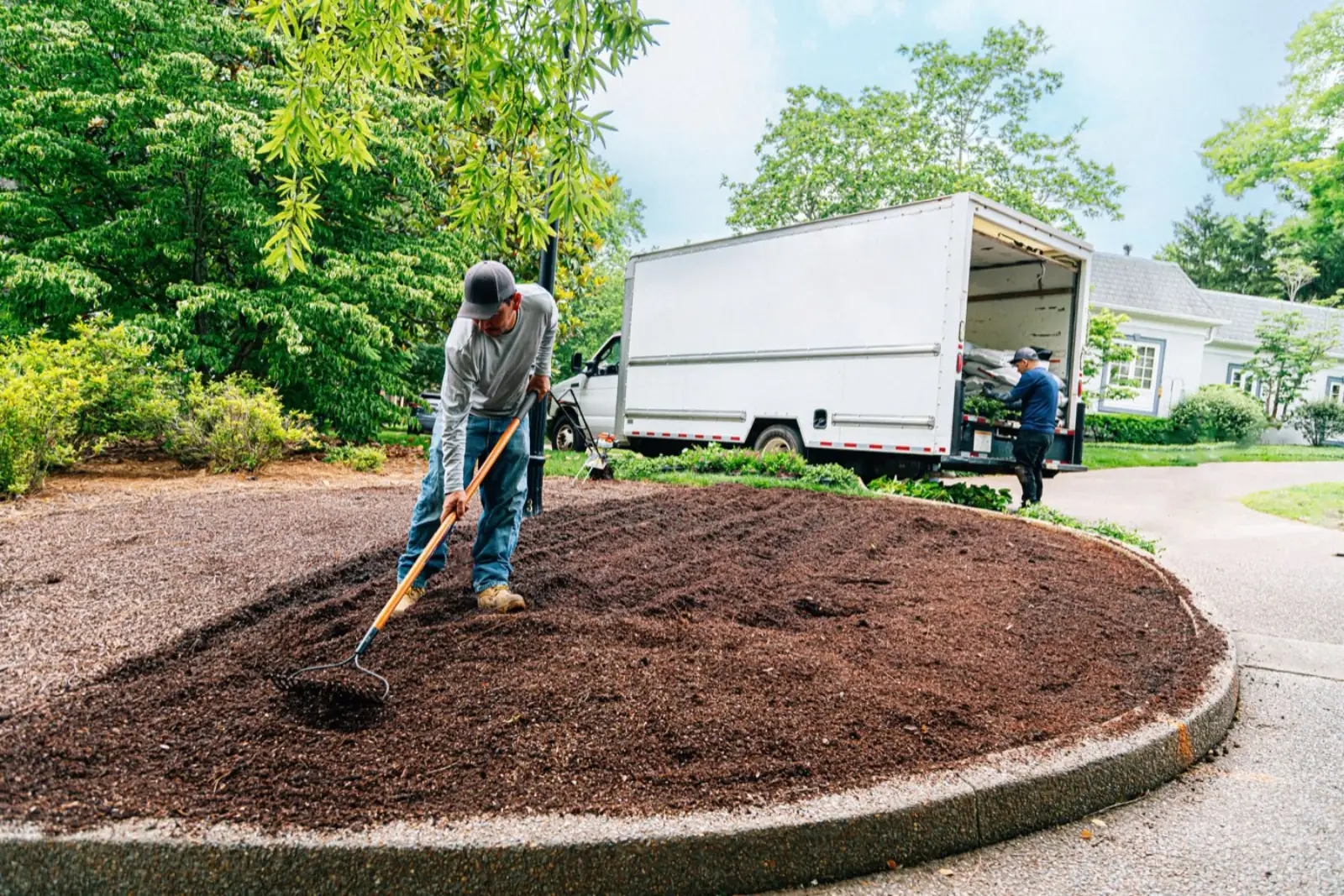
Two rules do most of the work. First, plant in fall, not spring: October through February. A fall-planted shrub grows roots all winter and meets its first Houston summer established; a May-planted one meets it as a seedling. Second, water deeply through the first summer even for "drought-tolerant" plants. The label describes the plant at year two, not week two. Mulch beds 2 to 3 inches, group plants by water needs, and run drip rather than spray where you can. If the bed sits where water pools after storms, fix that first; our guide to draining a soggy Houston yard explains how, and several plants on this list (wax myrtle, inland sea oats, Turk's cap) are the ones we use in rain gardens.
What we'd skip
Azaleas are everywhere in Houston and want the opposite of what Houston is: acid soil, perfect drainage, and steady moisture. Tropical zone-10 plants (ficus hedges, queen palms) look great until the next multi-day freeze; the February 2021 freeze removed most of them from the region's landscapes in one week. If a plant needs a bed sheet every other winter, it is an annual with extra steps.
Where this matters most
Common areas are where water bills and plant losses add up fastest, which is why this shortlist is the default palette for the HOA communities and commercial properties Greenline maintains. Entry monuments, medians, and pool-area beds built from these plants look full in August and cost a fraction to irrigate. If you are planning a bed refresh or a full re-landscape, request a quote and we will design it around plants that belong here.